
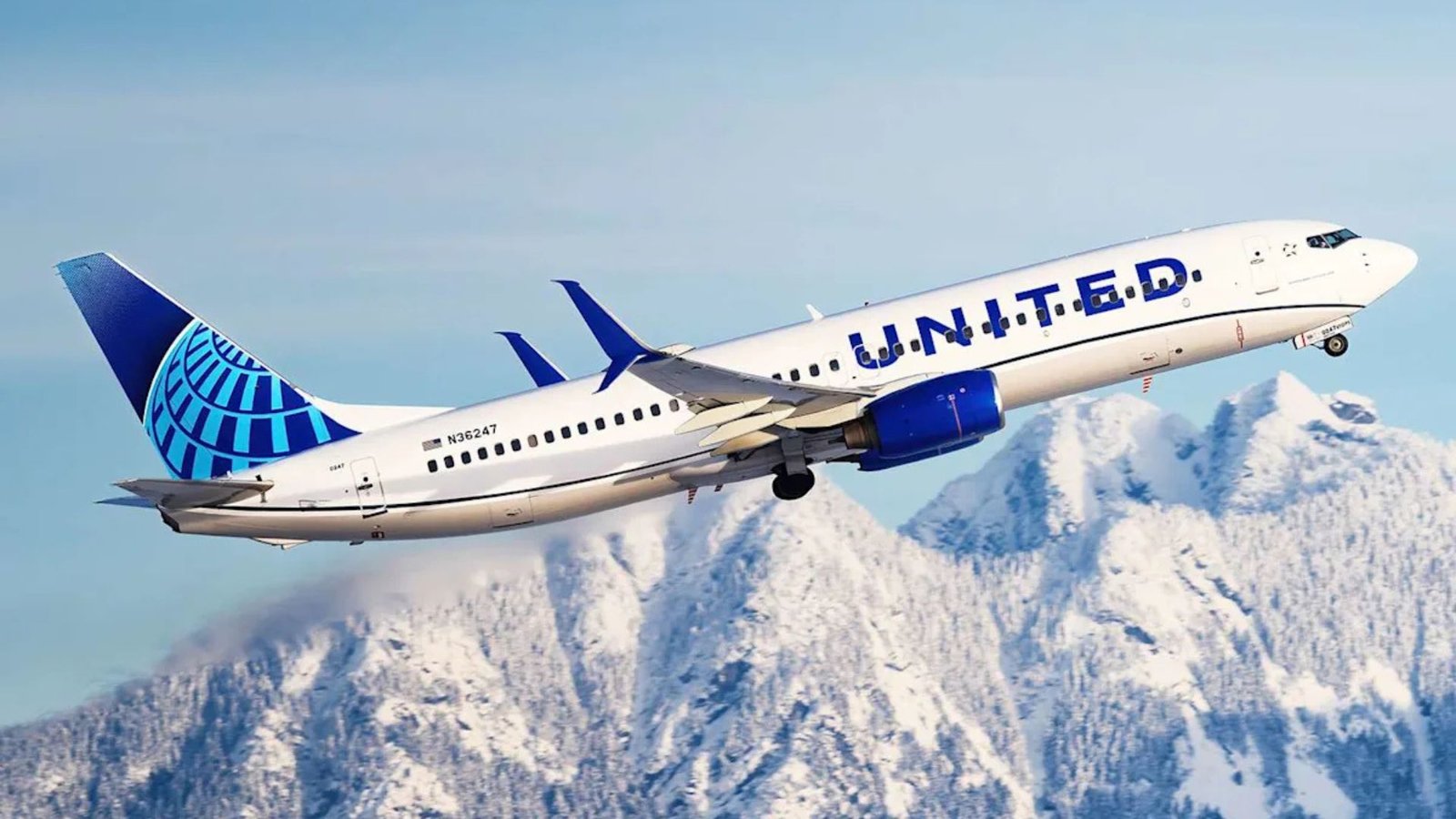
United Airlines is one of the most prominent aviation companies in the world, known for its extensive global network and strong operational presence. Over the decades, it has evolved from a small air mail service into a global transportation leader connecting millions of passengers annually. The story of united airlines is a reflection of innovation, strategic planning, and the continuous evolution of the aviation industry.
Historical Evolution and Early Foundations
The roots of united airlines go back to 1926, when it began as a small air mail carrier. It was part of a larger movement in aviation that aimed to improve communication and transportation across vast distances. By 1931, several smaller aviation companies merged to form what would eventually become united airlines.
In its early years, the airline played a significant role in shaping passenger air travel. It introduced flight attendants, which improved both safety and comfort for travelers. As the aviation industry expanded during the mid-20th century, united airlines built a strong domestic network and became a pioneer in transcontinental travel.
Expansion into a Global Aviation Leader
The growth of united airlines accelerated in the 1960s after merging with Capital Airlines. This move expanded its reach and strengthened its competitive position. Over time, the airline acquired additional international routes, allowing it to establish a global presence.
A major milestone occurred in 2010 when united airlines merged with Continental Airlines. This merger significantly increased the airline’s global footprint, expanded its fleet, and improved operational efficiency. Today, united airlines is recognized as one of the largest carriers in the world.
Fleet Size, Destinations, and Operational Strength
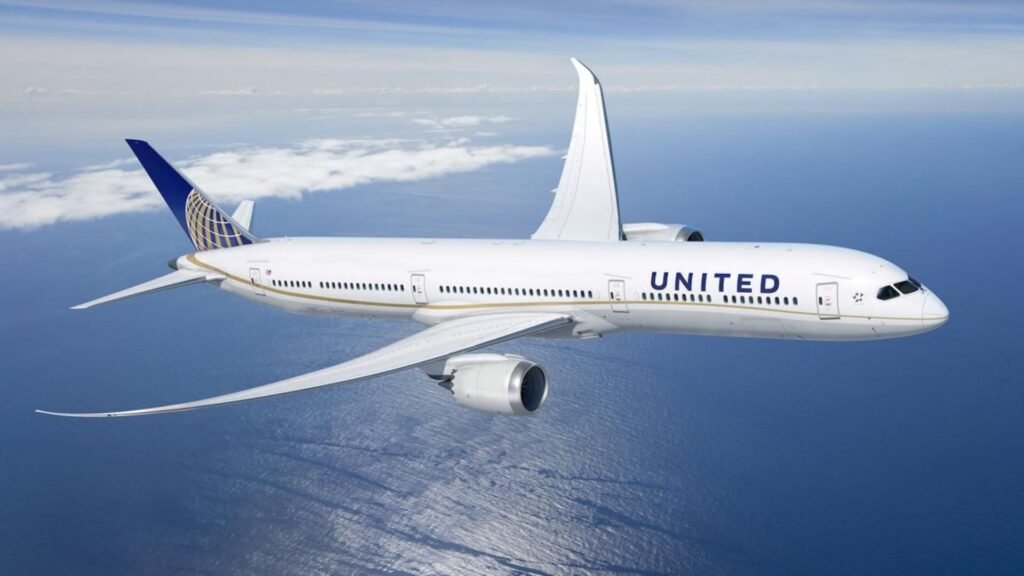
United airlines operates a massive fleet of aircraft, enabling it to serve hundreds of destinations worldwide. Its fleet includes both narrow-body planes for short routes and wide-body aircraft for long-haul international flights.
With more than 400 destinations across multiple continents, united airlines plays a vital role in global connectivity. The airline continues to expand its network to meet the growing demand for international travel, making it a key player in the aviation industry.
Major Hubs and Network Strategy
The airline uses a hub-and-spoke system to optimize its operations. Key hubs are located in major cities such as Chicago, Denver, Newark, Houston, Los Angeles, and San Francisco.
These hubs are strategically positioned to ensure efficient connectivity between domestic and international routes. For example, San Francisco serves as a major gateway to Asia, while Newark provides strong access to European destinations. This strategy allows united airlines to maximize efficiency while offering convenient travel options.
Strategic Alliances and Partnerships
United airlines is a founding member of Star Alliance, the world’s largest airline alliance. Through this partnership, passengers can access a broader network of destinations and enjoy seamless travel experiences.
The alliance also enables coordinated scheduling, shared loyalty benefits, and improved customer service. This collaboration strengthens the global reach of united airlines and enhances its ability to compete in international markets.
Technological Innovation and Passenger Experience
Innovation is at the core of united airlines’ strategy. The airline has invested heavily in modern aircraft, upgraded cabin interiors, and improved onboard services. Passengers now benefit from advanced in-flight entertainment systems, Wi-Fi connectivity, and more comfortable seating options.
Additionally, digital tools such as mobile apps and self-service kiosks have made the travel experience more convenient. These technological advancements help united airlines maintain a competitive edge while meeting evolving customer expectations.
Financial Performance and Market Position
United airlines is one of the largest revenue-generating airlines in the world. It holds a strong position in both domestic and international markets, competing with other major carriers for market share.
In recent years, the airline has shown resilience by adapting to changing travel trends and recovering from global disruptions. Increased passenger demand and strategic investments have contributed to its financial stability and continued growth.
Challenges, Safety Oversight, and Industry Pressures
Like all major airlines, united airlines faces a range of challenges. These include fluctuating fuel prices, operational disruptions, and increasing regulatory requirements. Safety remains a top priority, and the airline continuously works to maintain high standards in maintenance and operations.
Occasional delays and technical issues can impact passenger experience, but ongoing improvements in systems and staff training aim to minimize such disruptions. The airline’s ability to adapt to industry pressures is key to its long-term success.
Sustainability and Future Growth Plans
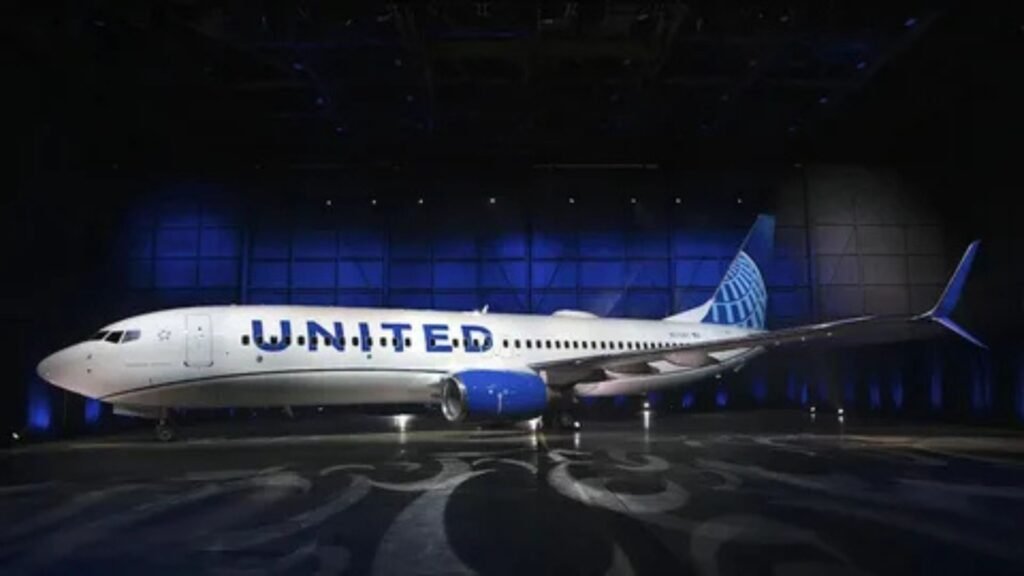
Sustainability has become a major focus for united airlines. The company is investing in fuel-efficient aircraft and exploring alternative energy sources to reduce its environmental impact. Efforts to adopt sustainable aviation fuel are part of its long-term strategy.
Looking ahead, united airlines plans to expand its international network, enhance customer services, and continue modernizing its fleet. These initiatives are designed to ensure sustainable growth and maintain its leadership in the aviation industry.
Conclusion
United airlines has grown into a global aviation powerhouse through decades of innovation and strategic expansion. Its extensive network, strong partnerships, and commitment to technology have solidified its position as a leader in the airline industry.
While challenges remain, the airline’s focus on sustainability, efficiency, and customer satisfaction ensures it will continue to thrive in the future. As global travel demand rises, united airlines is well-prepared to meet the needs of modern travelers.
FAQs
What is United Airlines known for?
United airlines is known for its large global network, extensive fleet, and strong presence in international aviation.
Where is United Airlines headquartered?
It is headquartered in Chicago, United States.
How many destinations does United Airlines serve?
United airlines serves more than 400 destinations worldwide.
What alliance is United Airlines part of?
It is a founding member of the Star Alliance.
What are the main hubs of United Airlines?
Major hubs include Chicago, Denver, Newark, Houston, Los Angeles, and San Francisco.
