
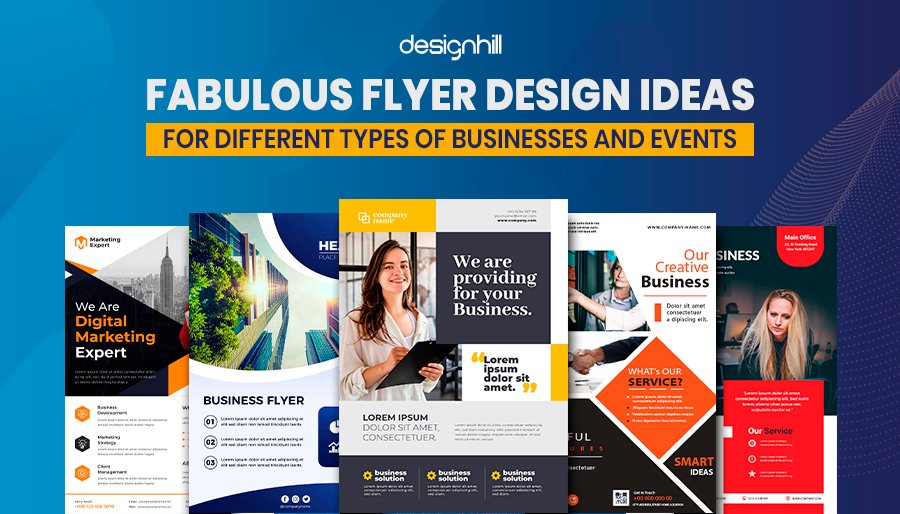
In today’s fast-paced world, capturing attention quickly is everything. Whether you’re promoting a small business, a local event, or a community initiative, a well-designed flyer can make all the difference. Flyers aren’t just pieces of paper they’re storytelling tools, marketing magnets, and first impressions rolled into one. Done right, they can convey your message instantly and leave a lasting impact on your audience.
Why Design Matters More Than You Think
A flyer isn’t just about listing details; it’s about creating an experience. Colors, typography, layout, and imagery all play a role in guiding the reader’s eye and reinforcing your message. Think about the last flyer you noticed: chances are, it wasn’t because of a block of text. It was the striking design, the clever use of space, or the visual flow that drew you in.
For those looking to elevate their marketing materials, there are tools that simplify the design process while keeping results professional. Platforms like make a flyer give you templates, design elements, and easy customization options so that even beginners can produce polished flyers in minutes. This kind of tool bridges the gap between creativity and efficiency, allowing you to focus on your content while the design supports your vision.
Crafting a Message That Resonates
Even the most visually appealing flyer fails if the message isn’t clear. Start by identifying the core purpose of your flyer. Are you driving attendance to an event? Promoting a sale? Or perhaps building awareness for a new product or service? Once you’ve pinpointed the goal, keep your text concise. Bullet points, short headlines, and clear calls-to-action often outperform paragraphs of information.
Storytelling can also enhance engagement. For example, a local café promoting a seasonal menu might include a quick anecdote about how a recipe was inspired by the owner’s travels. Such small touches give the flyer personality and make it memorable.
Visual Hierarchy and Layout Tips
A flyer should guide the reader naturally through its content. Use size, color, and spacing to establish a hierarchy. The headline should be the largest and most eye-catching element, followed by supporting text and secondary details. White space isn’t empty space it’s a crucial design element that prevents your flyer from feeling cluttered and overwhelming.
Images and graphics should complement your message, not compete with it. High-quality photos, icons, and subtle patterns can elevate the design, but make sure every visual element serves a purpose. Test different layouts to see what feels balanced, and remember that simplicity often wins over complexity.
Distribution Strategies for Maximum Impact
Designing a flyer is only half the battle; distribution matters just as much. Know your audience and deliver your flyer where they’re most likely to engage with it. For local events, handouts in community centers, cafes, and schools can be surprisingly effective. For businesses, including a flyer in customer orders or at checkout counters can boost visibility.
Digital distribution is also essential. PDFs, social media posts, and email campaigns allow your flyer to reach a wider audience with minimal cost. Even if you’re creating a physical flyer, having a digital version ensures that people can share it instantly, extending its reach organically.
Practical Examples from Real Campaigns
Consider a neighborhood fundraiser: a colorful, engaging flyer featuring photos of previous events, a clear headline, and bullet points outlining activities can dramatically increase turnout. Or a boutique launching a new clothing line might use a flyer with a bold image of the signature item and a limited-time offer. These real-world examples show that understanding your audience and combining compelling visuals with clear messaging pays off every time.
Another tip: always include a call-to-action. Whether it’s “Join Us This Saturday,” “Visit Our Store,” or “Scan to Learn More,” guiding your audience toward the next step increases the flyer’s effectiveness exponentially.
Conclusion
Creating an impactful flyer is both an art and a strategy. It’s about balancing visual appeal with a clear, persuasive message and understanding how and where your audience will interact with it. With the right approach, your flyer can go beyond being a simple handout it becomes a tool that inspires action, builds awareness, and leaves a lasting impression. By focusing on design, content, and distribution, you can turn every flyer into a small but powerful marketing asset.
