
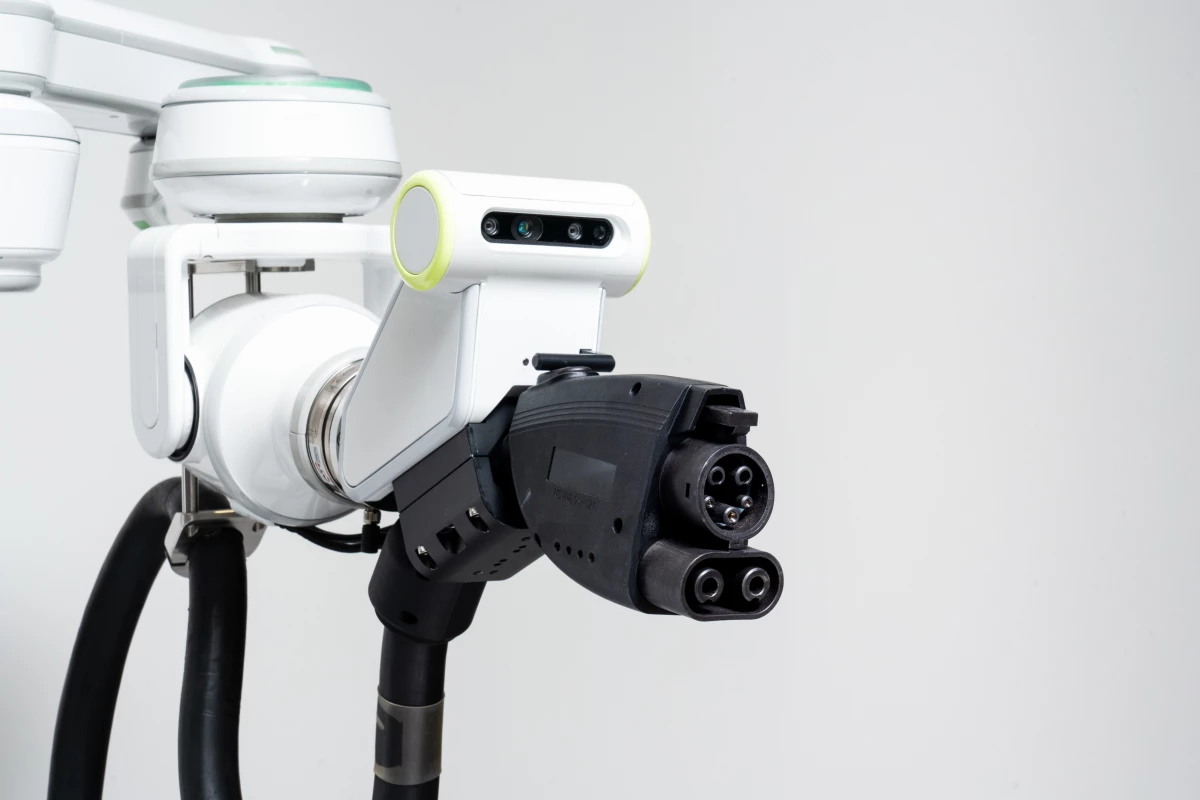
In today’s rapidly evolving technological landscape, robots are transforming industries from manufacturing to healthcare and home automation. One essential yet often overlooked component that keeps these machines running efficiently is the robot charging port. Without a reliable charging mechanism, even the most advanced robot becomes ineffective.
This article explores everything you need to know about robot charging ports, including types, features, benefits, maintenance tips, and how to choose the right one for your robotic system.
What Is a Robot Charging Port?
A robot charging port is a specialized interface that allows a robot to connect to a power source for recharging its battery. It acts as the energy gateway between the robot and its charging station. Whether it’s an industrial robotic arm or a home vacuum robot, the charging port ensures smooth energy transfer and safe power management.
Modern robots often use smart charging ports that support automated docking, fast charging, and intelligent battery monitoring.
Types of Robot Charging Ports
Different robots require different charging mechanisms depending on their design, usage, and environment. Below are the most common types:
- Contact-Based Charging Ports
These are traditional metal-contact connectors where the robot physically connects to charging pins or pads. They are widely used in industrial and warehouse robots.
Advantages:
- Reliable energy transfer
- Cost-effective
- Easy to maintain
Common Use: Automated Guided Vehicles (AGVs), warehouse robots.
- Magnetic Charging Ports
Magnetic charging ports use magnetic connectors to align and connect the robot to the charging source automatically.
Advantages:
- Easy self-alignment
- Reduced wear and tear
- Safer disconnection
Common Use: Service robots and collaborative robots.
- Wireless Charging Ports
Wireless or inductive charging eliminates the need for physical connectors. Robots charge through electromagnetic fields when positioned on a charging pad.
Advantages:
- No exposed metal contacts
- Minimal maintenance
- Water and dust resistant
Common Use: Healthcare robots, cleaning robots, and hospitality robots.
- Automated Docking Stations
Autonomous robots often use intelligent docking systems where they return to a charging station automatically when battery levels are low.
For example, home cleaning robots like those from iRobot use smart docking technology to recharge without human intervention.
Key Features of a High-Quality Robot Charging Port
When selecting or designing a robot charging port, consider these essential features:
- Durability
Charging ports must withstand repeated connections, vibrations, and environmental factors such as dust and moisture.
- Fast Charging Capability
Advanced charging ports support rapid charging technology, reducing robot downtime and increasing operational efficiency.
- Safety Mechanisms
Overcharge protection, temperature control, and short-circuit prevention are critical for battery longevity and user safety.
- Smart Power Management
Modern charging ports integrate with Battery Management Systems (BMS) to optimize charging cycles and extend battery life.
Importance of Robot Charging Ports in Industrial Automation
In industrial environments, robots often operate 24/7. Downtime can result in significant productivity loss. A reliable charging port ensures:
- Continuous operation
- Reduced maintenance costs
- Improved battery performance
- Enhanced workplace safety
For instance, mobile robots used in logistics centers depend heavily on automated charging systems to maintain workflow efficiency.
Robot Charging Port in Consumer Robotics
In home automation, charging ports are equally important. Devices like robotic vacuum cleaners, lawn mowers, and personal assistant robots rely on self-charging capabilities.
Companies such as Boston Dynamics focus on advanced robotic mobility, where efficient power systems—including charging interfaces—play a critical role in performance and endurance.
How to Choose the Right Robot Charging Port
Selecting the best charging solution depends on several factors:
- Robot Type
Industrial robots may require heavy-duty connectors, while consumer robots benefit from compact or wireless charging systems.
- Operating Environment
Dusty or wet environments require sealed or wireless charging ports for better durability.
- Power Requirements
High-capacity robots need ports capable of handling greater voltage and current.
- Automation Needs
If your robot operates autonomously, choose a system that supports automatic docking and smart charging.
Maintenance Tips for Robot Charging Ports
Proper maintenance increases lifespan and efficiency. Follow these tips:
- Regularly clean charging contacts
- Inspect for corrosion or physical damage
- Ensure correct alignment during docking
- Monitor battery performance through software
Routine inspection prevents power disruptions and extends overall robot life.
Future Trends in Robot Charging Technology
The robotics industry is continuously evolving. Emerging trends include:
- Ultra-fast charging technology
- AI-powered energy optimization
- Wireless long-range charging
- Solar-assisted robotic charging systems
As robots become more intelligent and autonomous, charging ports will also become smarter and more integrated with IoT systems.
Why Robot Charging Ports Matter for SEO and Industry Growth
From an SEO perspective, “robot charging port” is a high-potential keyword in the growing robotics and automation market. As industries adopt smart robotics, demand for efficient charging solutions increases.
Manufacturers, engineers, and tech enthusiasts are actively searching for information on robotic power systems, making this topic valuable for technology blogs and industrial websites.
Conclusion
A robot charging port is more than just a connector—it is the backbone of a robot’s energy system. Whether used in industrial automation, healthcare robotics, or home cleaning devices, a reliable charging interface ensures efficiency, safety, and long-term performance.
As robotics technology advances, charging systems will become faster, smarter, and more autonomous. Investing in the right charging solution not only improves robot productivity but also enhances overall operational efficiency.
If you are developing or purchasing a robotic system, always prioritize a high-quality charging port—it’s the key to uninterrupted performance and sustainable robotic operation
