
Photography is more than a passion it’s a business, an investment, and often your primary source of income. Whether you shoot weddings, events, portraits, or commercial projects, having the right photography insurance can protect you from financial setbacks that could otherwise end your career overnight.
In this complete guide, you’ll learn everything you need to know about photography insurance, including coverage types, costs, risks, and how to choose the best policy for your needs. If you’re serious about safeguarding your gear, your reputation, and your income, this guide is for you.
What Is Photography Insurance?
Photography insurance is a specialized type of business insurance designed to protect photographers from financial risks. These risks can include damaged equipment, client lawsuits, accidental injuries, or even lost income due to unforeseen circumstances.
Unlike general business coverage, photography insurance is tailored specifically to the needs of photographers whether you’re a freelancer, hobbyist, or studio owner.
In simple terms, it acts as a safety net so that one accident doesn’t wipe out years of hard work.
Why Photography Insurance Is Essential
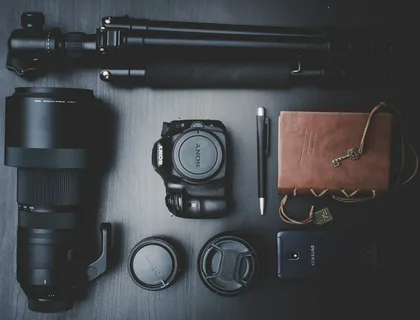
Many photographers underestimate the importance of photography insurance until something goes wrong. Imagine dropping a $3,000 camera lens during a shoot or facing a lawsuit from a dissatisfied client. Without protection, you’ll be paying out of pocket.
Here’s why photography insurance is critical:
- Protects expensive equipment from theft or damage
- Covers legal expenses if a client sues you
- Builds credibility with clients and venues
- Ensures business continuity after unexpected events
Professional photographers often work in unpredictable environments. From outdoor shoots to crowded weddings, risks are everywhere. Having photography insurance ensures you’re prepared for the unexpected.
Types of Photography Insurance Coverage
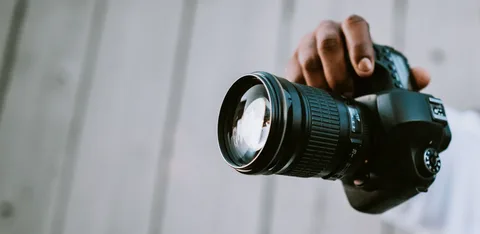
Understanding the different types of photography insurance coverage is key to choosing the right policy. Most providers offer customizable plans depending on your needs.
1. General Liability Insurance
This is the most basic form of photography insurance. It covers:
- Bodily injury (e.g., someone trips over your tripod)
- Property damage (e.g., you damage a client’s venue)
Many venues require photographers to have liability coverage before allowing them to shoot.
2. Equipment Insurance
Your gear is your livelihood. Equipment coverage under photography insurance protects:
- Cameras, lenses, lighting gear
- Theft, loss, or accidental damage
Whether you’re traveling or shooting locally, this coverage ensures you can quickly replace damaged gear.
3. Professional Liability Insurance
Also known as “errors and omissions” coverage, this type of photography insurance protects you against:
- Missed shots
- Unsatisfied clients
- Breach of contract claims
If a client claims your work caused them financial loss, this coverage can save you from expensive legal battles.
4. Business Owner’s Policy (BOP)
A BOP combines multiple types of photography insurance into one package:
- General liability
- Property insurance
- Business interruption coverage
It’s often more cost-effective than buying separate policies.
5. Commercial Auto Insurance
If you travel frequently for shoots, this type of photography insurance covers:
- Vehicle accidents
- Equipment damaged during transport
How Much Does Photography Insurance Cost?
The cost of photography insurance varies depending on your business size, coverage needs, and location. However, here’s a general breakdown:
- Basic policies: $10–$30 per month
- Standard coverage: $150–$500 per year
- Comprehensive packages: $500+ annually
While it may seem like an added expense, photography insurance is a small price compared to the potential losses you could face without it.
Factors That Affect Photography Insurance Pricing
Several factors influence how much you’ll pay for photography insurance:
1. Value of Equipment
The more expensive your gear, the higher your premium.
2. Type of Photography
Wedding and event photographers often pay more due to higher risks.
3. Business Size
Larger businesses with employees may require more coverage.
4. Coverage Limits
Higher limits mean better protection but also higher costs.
5. Location
Your geographic area can affect your photography insurance rates.
Understanding these factors helps you choose a policy that balances cost and protection.
How to Choose the Right Photography Insurance Policy
Choosing the right photography insurance isn’t just about price it’s about value and protection.
Step 1: Assess Your Risks
Think about your work environment, equipment value, and client expectations.
Step 2: Compare Providers
Look for reputable insurers that specialize in photography insurance.
Step 3: Check Coverage Details
Always read the fine print. Not all policies are created equal.
Step 4: Customize Your Plan
Choose coverage that fits your specific needs instead of paying for extras you don’t need.
Step 5: Read Reviews and Testimonials
Real experiences can reveal the reliability of a provider.
A well-chosen photography insurance policy should give you peace of mind not confusion.
Common Mistakes to Avoid
Many photographers make costly mistakes when choosing photography insurance. Avoid these pitfalls:
- Underinsuring equipment to save money
- Ignoring liability coverage
- Not reading policy exclusions
- Choosing the cheapest option without research
- Failing to update coverage as your business grows
Being proactive with your photography insurance ensures long-term protection.
Tips to Save Money on Photography Insurance

You don’t have to overspend to get quality photography insurance. Here are some smart ways to reduce costs:
- Bundle policies into a BOP
- Increase your deductible
- Maintain a claims-free record
- Shop around and compare quotes
- Only insure essential equipment
With the right strategy, you can get affordable photography insurance without compromising coverage.
Conclusion
In today’s competitive and unpredictable industry, photography insurance is not optional it’s essential. From protecting your expensive gear to shielding you from legal risks, the right policy can make the difference between a minor setback and a financial disaster.
By understanding coverage types, evaluating costs, and choosing wisely, you can secure a photography insurance plan that supports your growth and protects your passion. Investing in photography insurance today ensures your business remains safe, stable, and successful in the long run.
