
The concept of impuesto is essential to understanding how modern economies function. From funding public services to shaping national development, plays a vital role in maintaining stability and growth. Every individual and business contributes in some form, making it a shared responsibility that supports society as a whole.
What is impuesto and why it matters
Impuesto refers to a mandatory financial contribution imposed by governments on individuals and organizations. These funds are used to provide essential services such as healthcare, education, infrastructure, and public safety.
The importance of goes beyond simple revenue collection. It also helps regulate economic activity and ensures that governments can operate efficiently. Without it would be difficult to maintain public systems or invest in long-term development.
Principles behind impuesto systems

A well-structured impuesto system is based on fairness, efficiency, and transparency. One key principle is the ability-to-pay approach, where individuals contribute based on their financial strength.
Another important concept is equity. This ensures that people in similar situations are treated equally, while those with higher incomes contribute more. Efficiency also matters, as policies should not negatively impact productivity or economic growth.
Transparency helps build trust, making it easier for people to understand their obligations and comply with regulations.
Types of impuesto
Understanding different forms of helps explain how governments collect revenue effectively.
Direct impuesto
Direct is applied directly to income or profits. Individuals and businesses pay based on what they earn, making it one of the most common forms of taxation.
Indirect impuesto
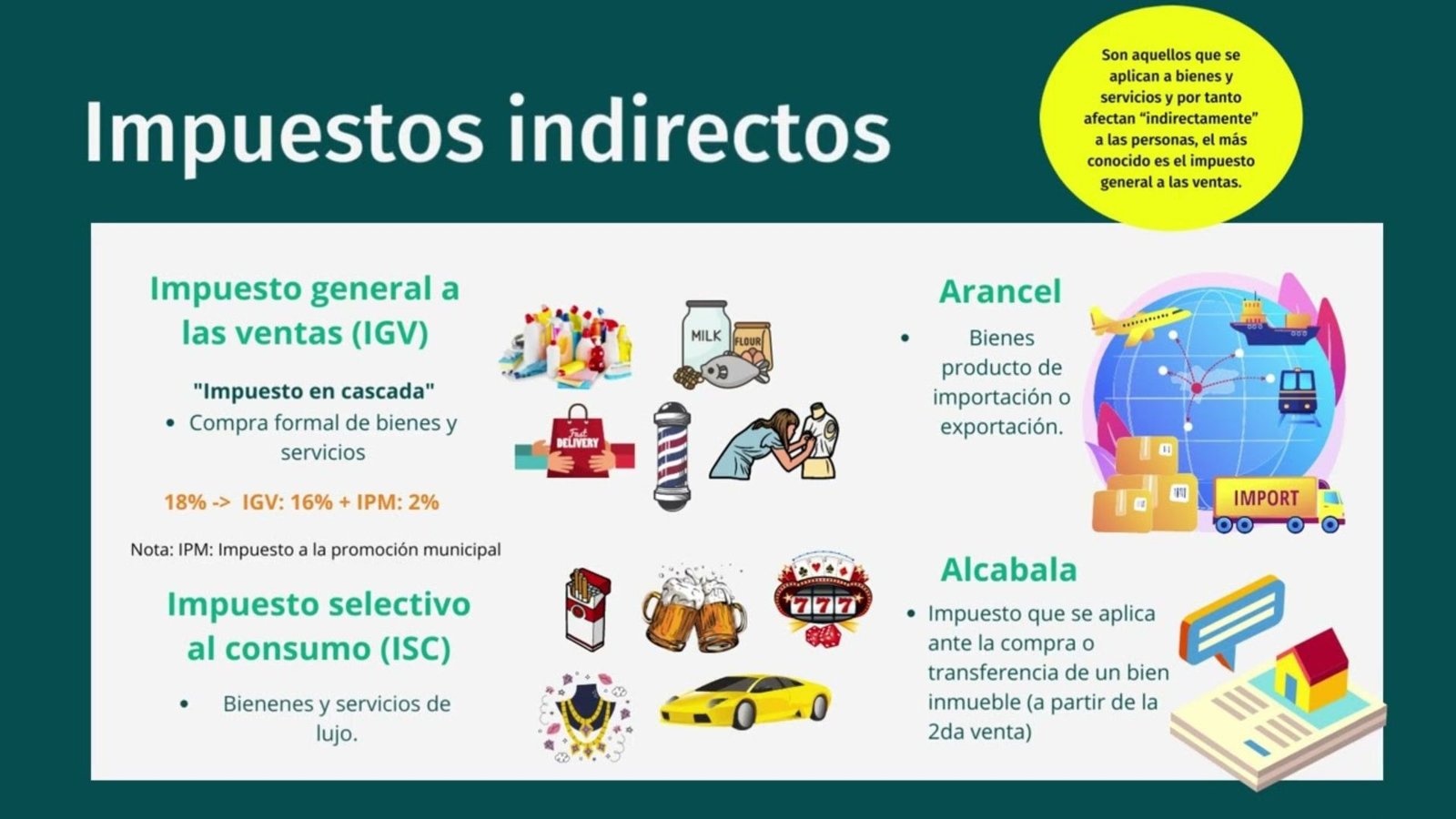
Indirect is included in the price of goods and services. Consumers pay it when they make purchases, even if they are not always aware of it.
Both types of work together to create a balanced system that ensures steady revenue generation.
How impuesto affects daily life
Impuesto impacts everyday activities in many ways. Salaries are often adjusted before reaching individuals, while the cost of goods includes additional charges.
Businesses also play a role by collecting and submitting to the government. This system ensures that contributions are distributed across different levels of the economy, making it more efficient and reliable.
Economic importance of impuesto
Impuesto is crucial for economic growth and development. It funds infrastructure projects such as roads, schools, and hospitals, which are essential for productivity and national progress.
Governments also use impuesto policies to manage economic cycles. During difficult periods, they may reduce tax burdens to encourage spending. In stronger economies, they may increase collections to maintain balance.
This flexibility makes impuesto a powerful tool for economic management.
Social impact of impuesto
Impuesto plays an important role in promoting social equality. Progressive systems require higher contributions from those with greater financial resources, helping reduce income gaps.
Public services funded by provide opportunities for everyone, regardless of background. Access to education and healthcare improves overall quality of life and supports long-term development.
However, achieving fairness remains a challenge, requiring careful planning and policy design.
Challenges in modern impuesto systems
Despite its benefits, systems face several challenges. One major issue is non-compliance, where individuals or businesses avoid paying their fair share.
Another challenge is complexity. Complicated rules can create confusion and increase administrative costs. Simplifying these systems is often necessary to improve efficiency.
Globalization also adds pressure, as companies operate across borders, making it harder to enforce consistent policies.
Managing impuesto efficiently
Handling impuesto effectively requires awareness and planning. Individuals should keep accurate records and stay informed about regulations.
Seeking professional advice can also help reduce errors and ensure compliance. Governments are improving systems through digital tools, making processes faster and more transparent.
Proper management benefits both individuals and the overall economy.
Future trends in impuesto
The future of is evolving with technology and global changes. Digital systems are improving collection methods and reducing fraud.
Environmental policies are also influencing structures, encouraging sustainable practices. Governments are increasingly using financial tools to address climate and economic challenges.
International cooperation is becoming more important to ensure fairness and prevent avoidance.
Conclusion
Impuesto is a fundamental part of modern society. It supports public services, drives economic growth, and promotes social balance. Understanding its role helps individuals make better financial decisions and appreciate its broader impact.
As systems continue to evolve, the importance of fair and efficient policies will only increase.
FAQs
What is impuesto?
Impuesto is a mandatory payment made to the government to fund public services and infrastructure.
Why is impuesto important?
It provides the resources needed for governments to operate and support economic development.
What are the main types of impuesto?
The main types include direct impuesto and indirect impuesto.
How does impuesto affect daily life?
It influences income, spending, and the cost of goods and services.
Can impuesto be managed effectively?
Yes, with proper planning and understanding of regulations.
