
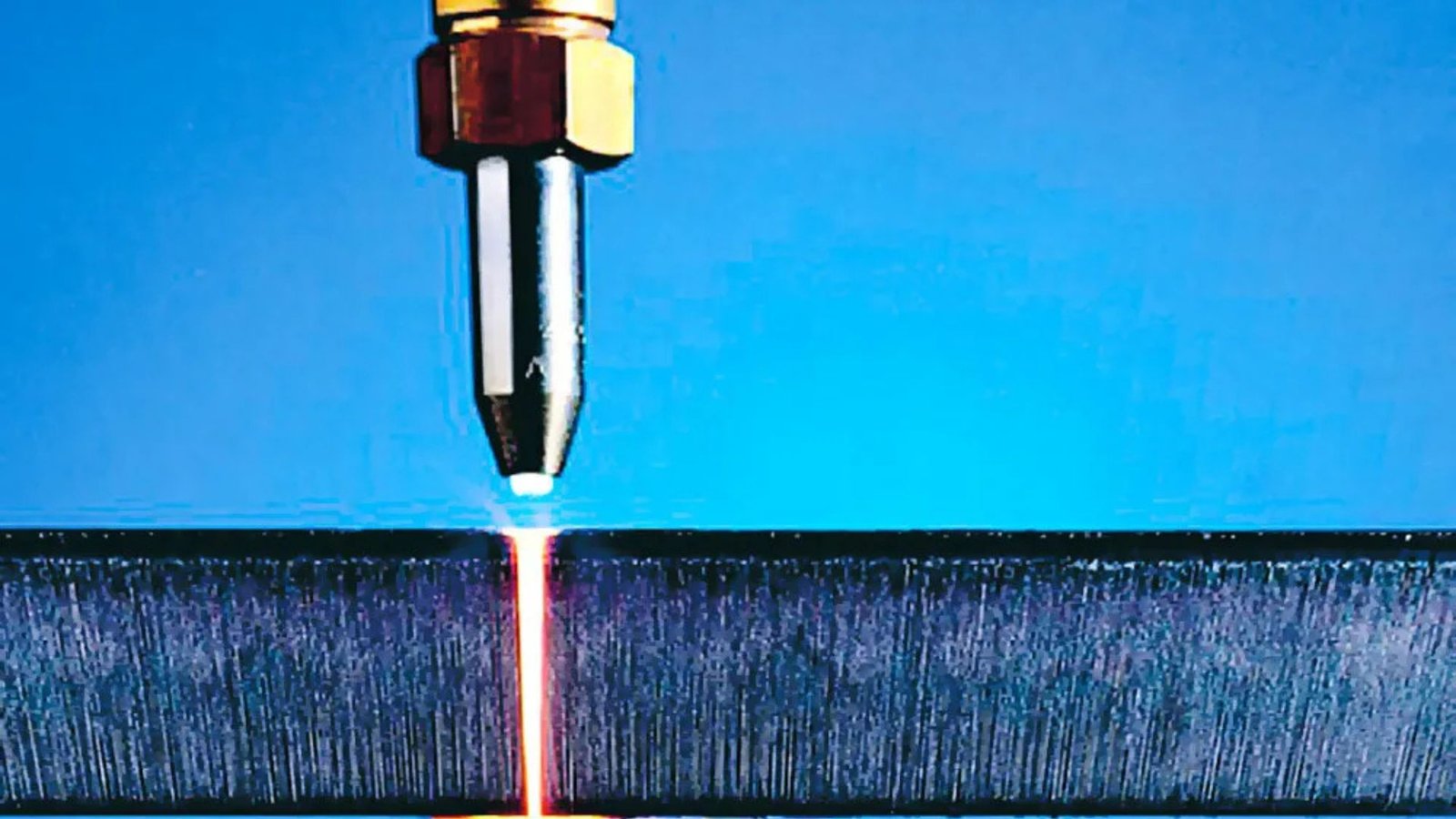
Laser processing is an important technology used in modern industries. It uses focused light beams to cut, shape, weld, or change materials. Because of its high accuracy and speed, many industries depend on for better results.
In the past, companies used heavy tools for machining. However, has changed this approach completely. Instead of physical tools, it uses light energy. As a result, it works well for both simple and complex tasks. Today, businesses prefer because it delivers consistent and high-quality outcomes.
How Laser Processing Works
Laser processing works by sending a strong beam of light onto a material. The heat from the beam melts or removes the material. Therefore, it allows precise shaping without damaging nearby areas.
In addition, the beam focuses on a very small point. Because of this, the process remains accurate and controlled. For example, manufacturers can create fine details that are difficult with traditional methods. Overall, helps improve both speed and quality in production.
Types of Laser Processing Techniques
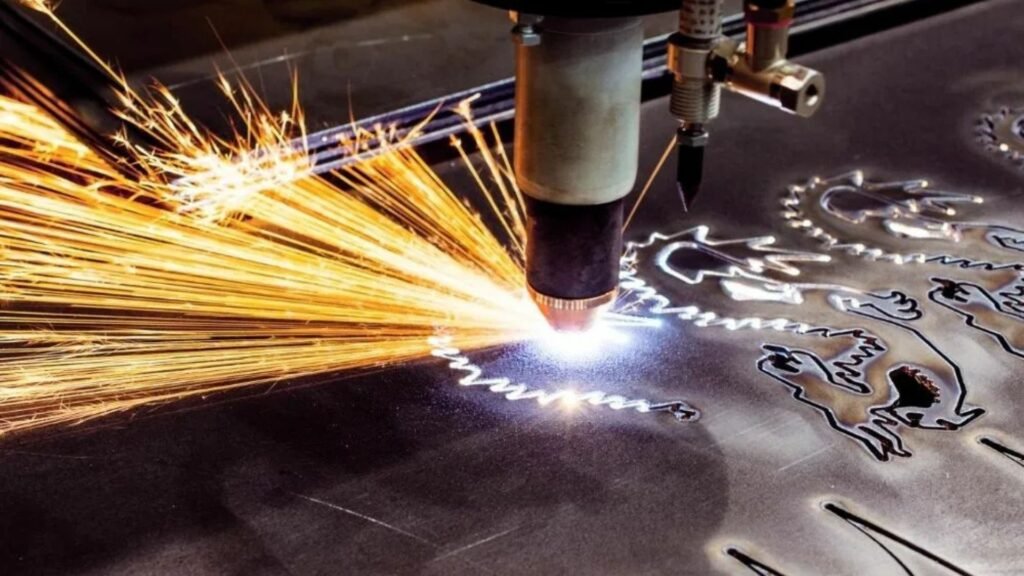
There are different types of methods. Each one serves a specific purpose.
Laser Cutting
Laser cutting is widely used in many industries. It cuts materials like metal, plastic, and wood with high precision. Moreover, it produces clean edges, so less finishing work is needed.
Laser Welding
Laser welding joins materials by melting them together. As a result, it creates strong and neat connections. In addition, this method reduces heat damage compared to traditional welding.
Laser Marking and Engraving
Laser marking creates permanent designs on surfaces. For instance, companies use it for barcodes, serial numbers, and logos. Because of these marks stay clear for a long time.
Laser Drilling
Laser drilling makes very small holes with great accuracy. Therefore, it is useful in electronics and medical tools where precision matters most.
Benefits of Laser Processing
offers many advantages. Because of these benefits, industries are rapidly adopting it.
High Precision
First of all, provides excellent accuracy. It helps create detailed designs without errors.
Non-Contact Method
Unlike traditional methods,does not touch the material. As a result, there is less damage and no tool wear.
Fast and Efficient
In addition, works quickly. It also fits easily into automated systems, which improves productivity.
Less Material Waste
Another key benefit is reduced waste. Since the process is precise, it uses only the required material.
Applications of Laser Processing
is used in many industries. Its flexibility makes it suitable for different tasks.
Manufacturing Industry
Manufacturers use for cutting and shaping products. Therefore, production becomes faster and more reliable.
Automotive and Aerospace
These sectors need strong and precise parts. Because of this, they depend on for better performance.
Electronics Industry
Small electronic parts require high accuracy. As a result,is widely used in this field.
Medical Field
In healthcare, helps produce surgical tools and implants. These items require extreme precision and safety.
Laser Processing vs Traditional Methods
performs better than traditional methods in many ways. Traditional tools often wear out over time. However, avoids this problem.
Furthermore, it provides cleaner results and higher accuracy. In addition, it reduces production time. Because of these reasons, many industries now prefer over older techniques.
Challenges of Laser Processing
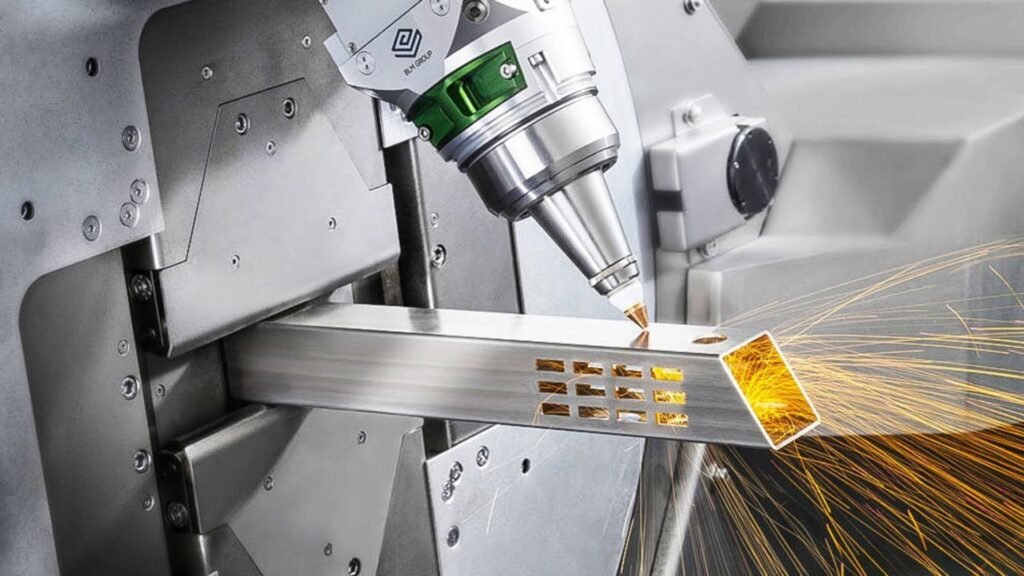
Even though has many benefits, it also has some challenges.
High Initial Cost
To begin with, the equipment can be expensive. Small businesses may find it difficult to invest.
Need for Skilled Workers
In addition, trained workers are required to operate laser machines properly.
Material Limitations
Some materials do not respond well to For example, highly reflective materials can be difficult to process.
Future of Laser Processing
The future of looks very bright. Technology is improving quickly, which will make this process even better.
Automation Growth
is becoming more automated. As a result, production will become faster and more efficient.
Smart Manufacturing
Modern factories are becoming smarter. Therefore, will play a key role in connected systems.
Micro and Nano Processing
New developments allow at very small scales. Because of this, new possibilities are opening in advanced industries.
Conclusion
Laser processing has changed the way industries work. It offers precision, speed, and efficiency that traditional methods cannot match. Moreover, it reduces waste and improves product quality.
As technology continues to grow,will become even more important. In the coming years, it will remain a key part of modern manufacturing.
FAQs
What is laser processing?
Laser processing is a method that uses a focused light beam to cut, weld, mark, or shape materials.
What are the main types of laser processing?
The main types include laser cutting, laser welding, marking, engraving, and drilling.
Why is laser processing important?
It is important because it provides high precision, fast production, and less material waste.
Is laser processing costly?
The setup cost is high, but it saves money in the long run.
Where is laser processing used?
It is used in manufacturing, automotive, aerospace, electronics, and medical industries.
