
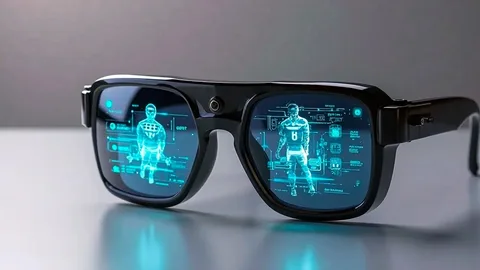
Smart glasses have crossed the line from expensive novelty to genuinely useful tech. In 2026, buyers can choose from AR display glasses, AI-powered camera frames, and audio-focused wearables without spending more than $300.
To focus on accessible options, we narrowed the field to five models currently available for $300 or less, including the RayNeo Air 4 Pro. Each one was vetted against verified specs, hands-on media impressions, and real-world street pricing. Here are five affordable smart glasses separated by product category and core use case.
What Sets These Picks Apart
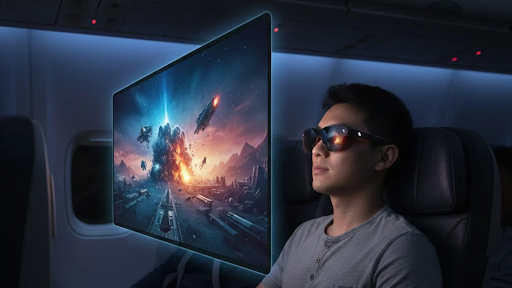
The Smart Glasses market splits into distinct categories. AR display glasses project a virtual screen for movies and gaming. AI camera glasses handle photo capture, voice assistants, and social sharing. Audio-focused frames prioritize music and calls. Knowing which type fits your life is the most important first step before comparing specs.
We filtered every pick against a set of practical criteria:
- Current street price or retail availability at or under $300
- Display quality, audio performance, or AI capabilities proven in third-party reviews
- Comfort, weight, and build quality for extended use
- Broad device compatibility or standalone functionality
Best AR Display Smart Glasses Under $300
AR display glasses project a virtual screen in front of your eyes, turning a pair of frames into a portable cinema. For buyers focused on movies, gaming, or a personal second monitor, this is the category that matters most. Both picks below stay at or under $300.
RayNeo Air 4 Pro — Best HDR Display Value
The RayNeo Air 4 pro Smart Glasses debuted at CES 2026 as the first AR glasses to support HDR10. The standard already applies across TVs, phones, tablets, and consoles, but until now no AR glasses had adopted it. That translates to brighter highlights, deeper shadows, and over a billion colors when paired with compatible content and devices.
At 76 grams, the Air 4 Pro stays comfortable during extended viewing sessions. The visual experience—equivalent to a virtual 201-inch screen at six meters—combined with 1,200 nits of perceived brightness and a 120Hz refresh rate, drew strong first impressions. Tom’s Guide called the HDR10 visuals “absolutely stunning” during a CES hands-on demo.
Four speakers co-tuned with Bang & Olufsen provide noticeably fuller bass than typical dual-speaker setups in AR smart glasses. The RayNeo Air 4 Pro connects via USB-C to phones, laptops, and the Nintendo Switch 2. MSRP is $299, with an early-bird launch price of $249 at the time of writing.
The trade-offs are worth knowing. This is a tethered display, not a standalone device, with no camera or AI assistant. As full reviews begin to emerge—like Tom’s Hardware confirming its sharp visuals—it is clear these prioritize connected entertainment over independent computing.
RayNeo Air 3s — Most Affordable AR Display
At $269 MSRP and $199 during the current early-bird promotion, the RayNeo Air 3s is one of the best-value entry AR display glasses available. Tom’s Guide ranked it the “best cheap AR glasses” for its crisp 1080p micro-OLED panels projecting an immersive virtual 201-inch screen.
The Air 3s weighs 76 grams and features quad speakers with dual opposing acoustic chambers. Compared to the RayNeo Air 4 Pro, you give up HDR10 support and the Bang & Olufsen audio tuning. But for a first pair of AR smart glasses aimed at movies, casual gaming, or a portable second monitor, the Air 3s delivers solid value.
Best AI and Audio Smart Glasses Under $300
Not everyone wants a screen on their face. AI camera glasses and voice-first audio frames prioritize everyday wearability and hands-free interaction. These three models keep it under $300 while delivering genuinely useful standalone features without needing to plug into another device.
Meta Ray-Ban (Gen 1) — Best Budget AI Camera Glasses
Meta’s first-generation Ray-Ban smart glasses carry a $329 MSRP, but certain Gen 1 SKUs are available at or under $300, and promotional pricing has historically dropped to around $224 at select retailers. The newer Gen 2 starts at $379, making the Gen 1 the only Meta-branded option within a strict budget.
Despite being the prior generation, Gen 1 still offers a capable 12MP camera, open-ear speakers, and Meta AI integration in a classic Wayfarer frame. For hands-free photos, video clips, calls, and basic AI queries, they remain both functional and genuinely stylish enough for all-day daily wear.
Solos AirGo 3 — Best AI Audio Glasses
The Solos AirGo 3 integrates ChatGPT-powered AI with a modular SmartHinge design, starting at roughly $199. While it lacks a display, its open-ear speakers with Whisper audio technology handle music and calls with clarity. Its voice-activated AI, along with Solos Translate for real-time translation, manages tasks entirely hands-free.
What distinguishes the IP67-rated AirGo 3 is its lightweight build—about 39 grams—and interchangeable frame fronts that connect to the smart temples. It also offers up to 10 hours of music playback. For buyers seeking voice-first productivity in smart glasses without a camera, this is a highly capable entry.
Chamelo Music Shield — Best Audio Smart Sunglasses
The Chamelo Music Shield takes a different approach entirely. At roughly $260, it combines open-ear audio with electrochromic lenses that switch between clear and tinted at the press of a button, ensuring hands-free convenience without bulky attachments.
There is no display and no camera here. But for outdoor use where adjustable tint genuinely matters, the built-in speakers handle music and calls while the lens adapts to changing conditions. The Music Shield fills a niche that most display-first smart glasses miss entirely.
How the Top Five Stack Up
A spec sheet cannot capture every nuance, but it helps narrow down which pair fits your priorities and budget. Here is how these five models match up on the metrics that matter most in this price range.
| Feature | RayNeo Air 4 Pro | RayNeo Air 3s | Chamelo Music Shield | Meta Ray-Ban Gen 1 | Solos AirGo 3 |
|---|---|---|---|---|---|
| Current / MSRP | $249 / $299 | $199 / $269 | $260 | from $299 (promo floor ~$224) | from $199 |
| Type | AR display | AR display | Audio sunglasses | AI camera | AI audio |
| Display | HDR10, 1200 nits | FHD, 650 nits | None | None | None |
| Weight | 76g | 76g | 49g | ~50g | ~39g |
| Audio | B&O quad speaker | Quad speaker | Open-ear | Open-ear | Open-ear |
| Key Feature | HDR10 cinema | Budget AR | Dimmable lenses | Camera + Meta AI | Modular AI |
Category vs. Category
AR display glasses and AI camera glasses serve fundamentally different purposes. Comparing a RayNeo Air 4 Pro to a Meta Ray-Ban Gen 1 is like comparing a portable monitor to a hands-free camera — both useful, but for completely different tasks. The table above works best when you identify your category first, then compare within it.
Street Prices to Watch
Every product on this list is available for $300 or less, but actual prices fluctuate. The RayNeo Air 4 Pro and Air 3s have early-bird promotions at $249 and $199. Sale pricing for the Meta Ray-Ban Gen 1 has historically dropped to around $224. Chamelo holds steady near $260, while Solos starts around $199.
Picking the Right Smart Glasses for You
No single pair of smart glasses excels at everything. The best choice depends entirely on what you plan to use them for daily. Here is a quick guide to matching needs with models:
- Private cinema and portable gaming → RayNeo Air 4 Pro
- Budget AR display for first-time buyers → RayNeo Air 3s
- Outdoor audio with adaptive lens tint → Chamelo Music Shield
- Hands-free camera and everyday AI assistant → Meta Ray-Ban Gen 1
- Voice-first AI productivity → Solos AirGo 3
For Entertainment
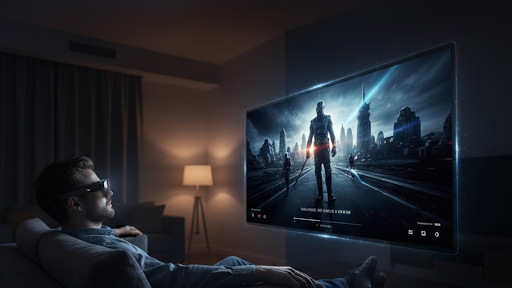
If a wearable display for movies and gaming is the top priority, the RayNeo Air 4 Pro offers the strongest specs in this price range. Its HDR10 support is a genuine differentiator among AR display smart glasses, and full reviews have now begun to appear confirming the visual quality. The RayNeo Air 3s is the clear budget fallback if you want to spend even less on your first pair.
For All-Day Wear and AI
The Meta Ray-Ban Gen 1 and Chamelo Music Shield both pass as everyday eyewear without drawing attention. The Meta pair adds a camera and AI assistant; the Chamelo adds adaptive tint for outdoor use. Neither looks like a tech prototype, which matters if you plan to wear smart glasses outside the house all day.
Worth the Money
Affordable smart glasses in 2026 cover more ground than most buyers realize. From HDR cinema on your face to hands-free AI in a normal-looking frame, every smart glasses pick on this list stays under the $300 baseline and delivers specific everyday utility depending on your own personal needs and preferences.
