
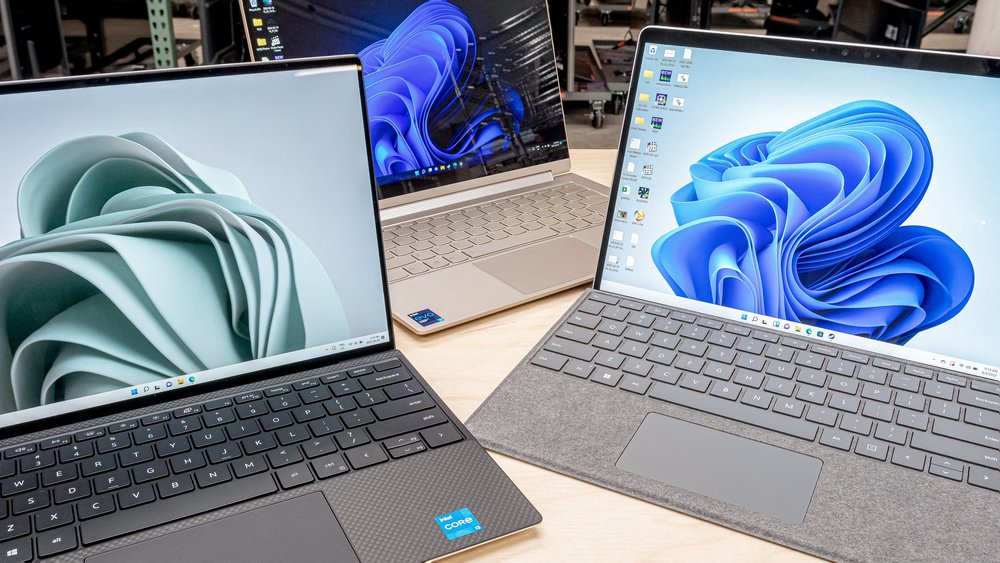
In today’s fast-paced digital world, having a reliable laptop is no longer a luxury — it’s a necessity. Whether you’re a student attending online classes, a professional managing remote work, or a home user browsing the web and streaming content, everyday laptops are designed to handle your daily tasks efficiently without the high price tag of gaming or professional workstations.
This guide will help you understand what makes the best everyday laptops, what features to look for, and which types of devices offer the best value in 2026.
What Are Everyday Laptops?
Everyday laptops are versatile, mid-range devices built for general computing tasks. They are not specialized gaming machines or high-end creative workstations. Instead, they focus on delivering balanced performance, portability, and affordability.
Common Uses for Everyday Laptops:
- Web browsing
- Microsoft Office (Word, Excel, PowerPoint)
- Video conferencing (Zoom, Microsoft Teams, Google Meet)
- Streaming (Netflix, YouTube, Spotify)
- Email and online communication
- Light photo editing
If these activities match your daily routine, an everyday laptop is likely the best option for you.
Key Features of the Best Everyday Laptops
When searching for the best everyday laptop, you should focus on specifications that ensure smooth performance, good battery life, and long-term reliability.
- Processor (CPU)
The processor determines how smoothly your laptop runs applications.
For everyday use in 2026, the ideal options are:
- Intel Core i5 (12th, 13th, or newer generations)
- AMD Ryzen 5 (5000 or 7000 series and newer)
These processors provide excellent multitasking capabilities without overheating or draining too much battery. Budget users can opt for Intel Core i3 or Ryzen 3, but i5 or Ryzen 5 offers better longevity.
- 2. RAM (Memory)
RAM plays a crucial role in multitasking performance.
- 8GB RAM – Suitable for basic daily tasks
- 16GB RAM – Recommended for smoother multitasking and future-proofing
If you often use multiple browser tabs, attend video calls, and run office applications simultaneously, 16GB RAM is a wise investment.
- Storage (SSD vs HDD)
Modern everyday laptops should always include an SSD (Solid State Drive).
- 256GB SSD – Good for basic users
- 512GB SSD – Ideal for most people
SSDs significantly improve boot time, file transfers, and overall system responsiveness. Traditional HDDs are slower and generally not recommended in 2026.
- 4. Display Quality
A good display enhances productivity and entertainment.
Look for:
- 14-inch or 15.6-inch screen size
- Full HD (1920 x 1080) resolution
- IPS panels for better viewing angles
Full HD resolution ensures clear visuals for documents, presentations, and streaming content.
- Battery Life
Battery life is one of the most important features in an everyday laptop.
The best everyday laptops offer:
- 6 to 10 hours of battery life
- Fast charging support (in some models)
Students and professionals who work on the go should prioritize long battery performance.
- 6. Build Quality and Portability
Lightweight and durable laptops are easier to carry daily. Slim designs and aluminum builds are ideal, though high-quality plastic designs can also be reliable and affordable.
A laptop weighing around 1.3kg to 1.8kg is generally comfortable for daily commuting.
Best Everyday Laptop Brands in 2026
Several trusted brands consistently deliver strong everyday laptops.
- Dell Inspiron Series
Dell Inspiron laptops are known for reliability and balanced performance. They are excellent for office work and students.
- HP Pavilion and HP 15 Series
HP offers sleek designs, solid battery life, and dependable performance for everyday users.
- Lenovo IdeaPad Series
Lenovo IdeaPads are affordable, practical, and well-suited for productivity tasks.
- ASUS VivoBook Series
ASUS VivoBooks provide stylish designs and competitive pricing with good specifications.
- Acer Aspire Series
Acer Aspire laptops deliver solid value for money and dependable performance for daily use.
Who Should Buy an Everyday Laptop?
Students
Everyday laptops are perfect for research, assignments, virtual classes, and presentations.
Office Professionals
For emails, spreadsheets, reports, and online meetings, these laptops provide reliable performance.
Home Users
If your main needs are browsing, streaming, and light tasks, an everyday laptop is more than sufficient.
Advantages of Everyday Laptops
- Affordable pricing
- Balanced performance
- Lightweight and portable
- Energy efficient
- Suitable for 3–5 years of regular use
They offer the perfect combination of price and functionality without unnecessary high-end features.
Common Mistakes to Avoid
When buying the best everyday laptop, avoid these mistakes:
- Choosing the cheapest option without checking specifications
- Buying a laptop with HDD instead of SSD
- Ignoring RAM upgrade options
- Overpaying for gaming features you don’t need
- Skipping warranty and after-sales support
Careful research ensures you get maximum value for your money.
Final Thoughts
The best everyday laptops in 2026 are those that offer a balanced combination of performance, battery life, portability, and affordability. For most users, a laptop with an Intel Core i5 or Ryzen 5 processor, 8GB–16GB RAM, and a 512GB SSD will provide smooth performance for years.
Before making a purchase, clearly define your needs and budget. If you focus on essential features rather than flashy extras, you can find a dependable everyday laptop that supports your productivity, entertainment, and daily digital life effortlessly.
Choosing wisely today means enjoying smooth performance tomorrow.
